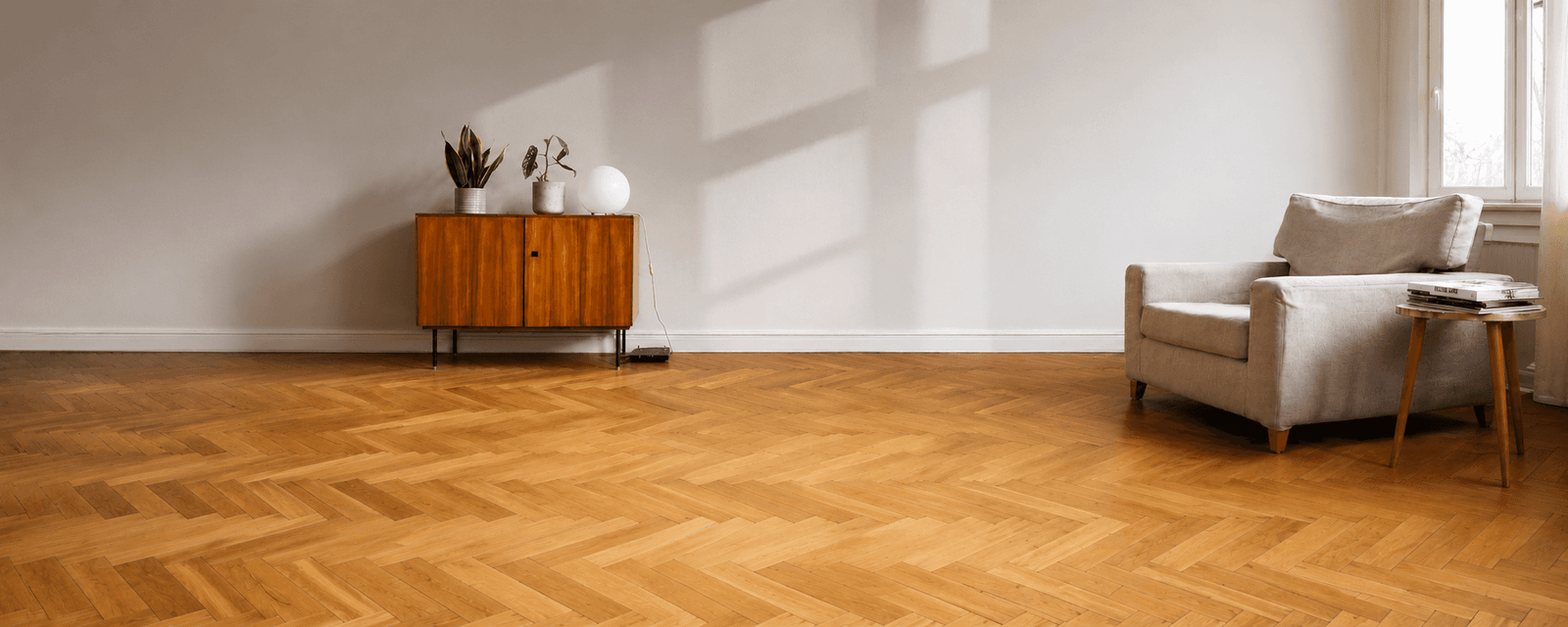

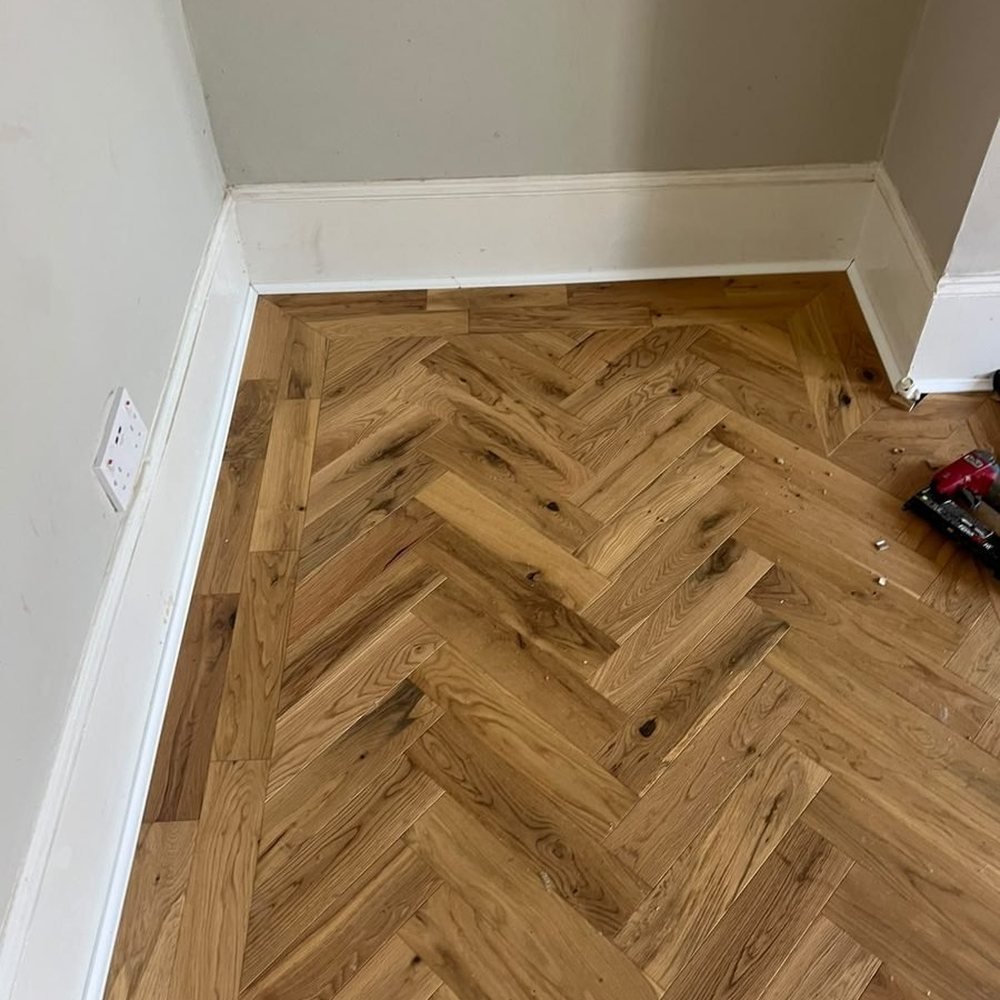
Parquet is the least forgiving floor we work on. Every block has to meet its neighbours exactly, and a small error at the start becomes a very visible one by the time you reach the far wall.
We are one of London's leading herringbone parquet companies, with years of experience fitting and restoring herringbone and finger parquet floors across the capital — in period houses, conversions and commercial spaces.
Setting out comes first
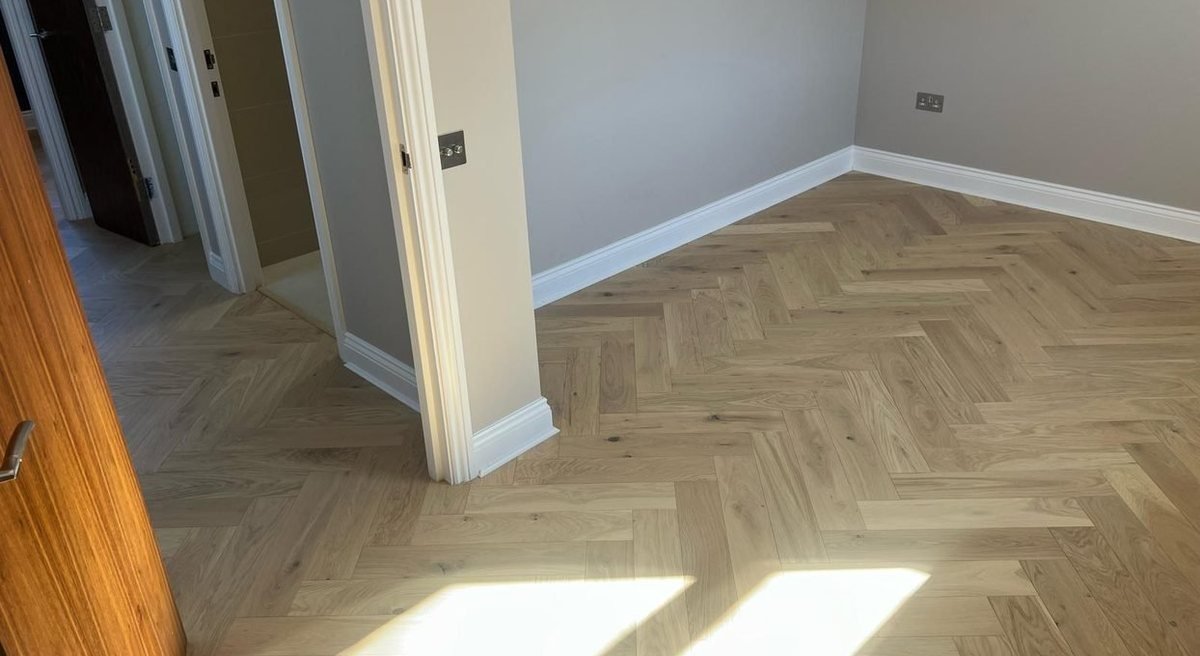
The pattern is decided before a single block goes down. Getting the centre line and the angle right against the room, the doorways and the hearth is what determines whether the finished floor looks deliberate or slightly off — and it is not something that can be corrected later.
 |  |
Fitting and restoring
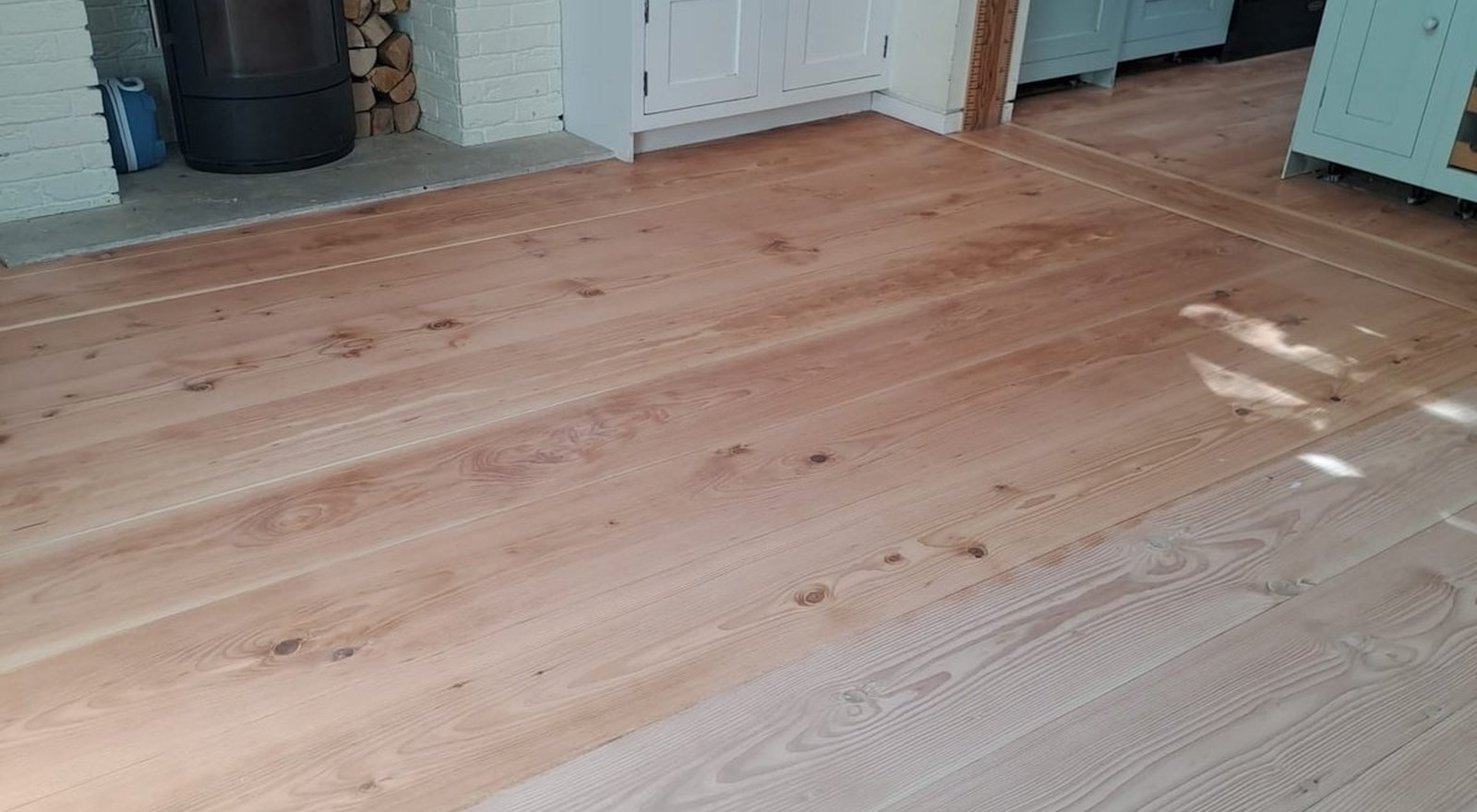
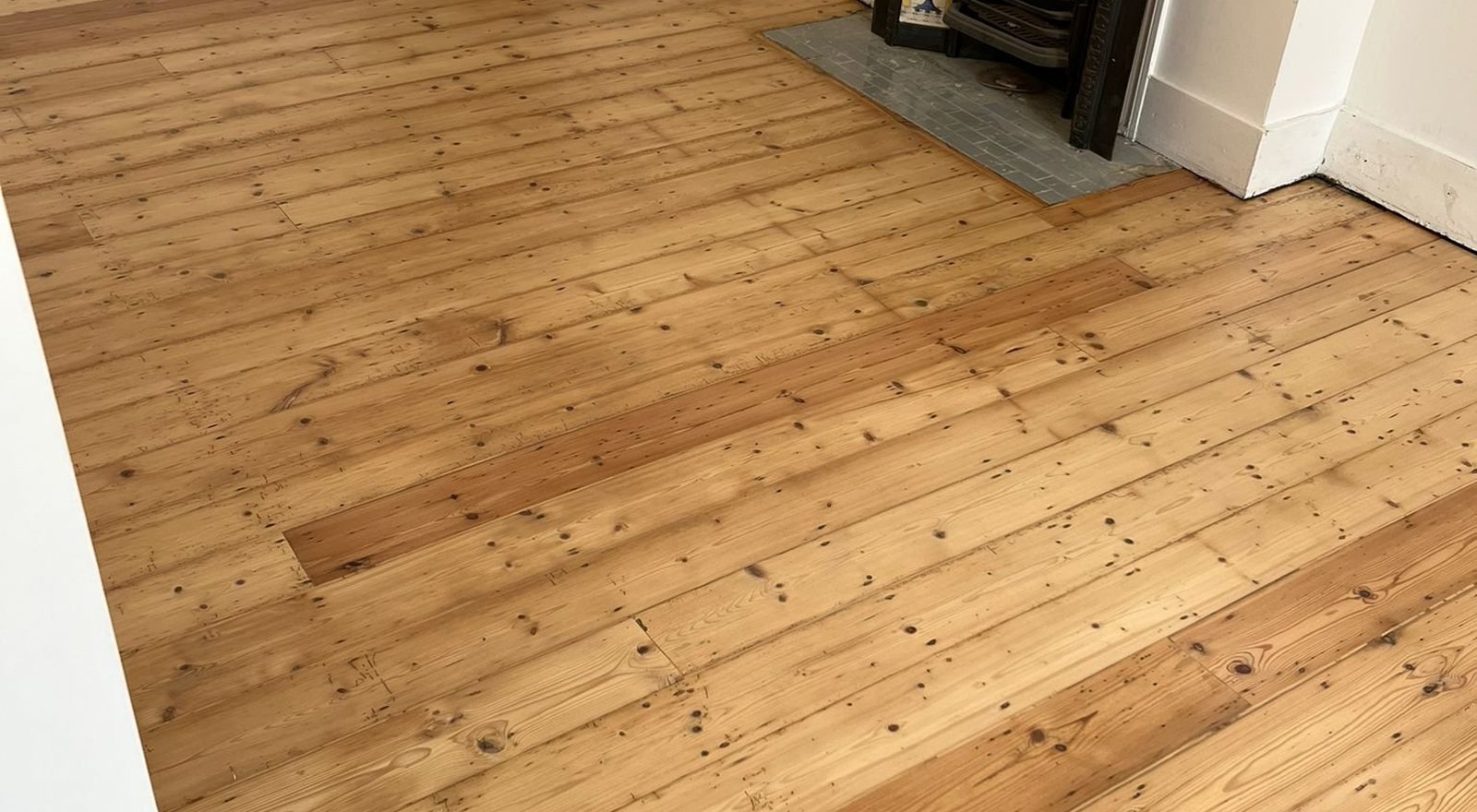
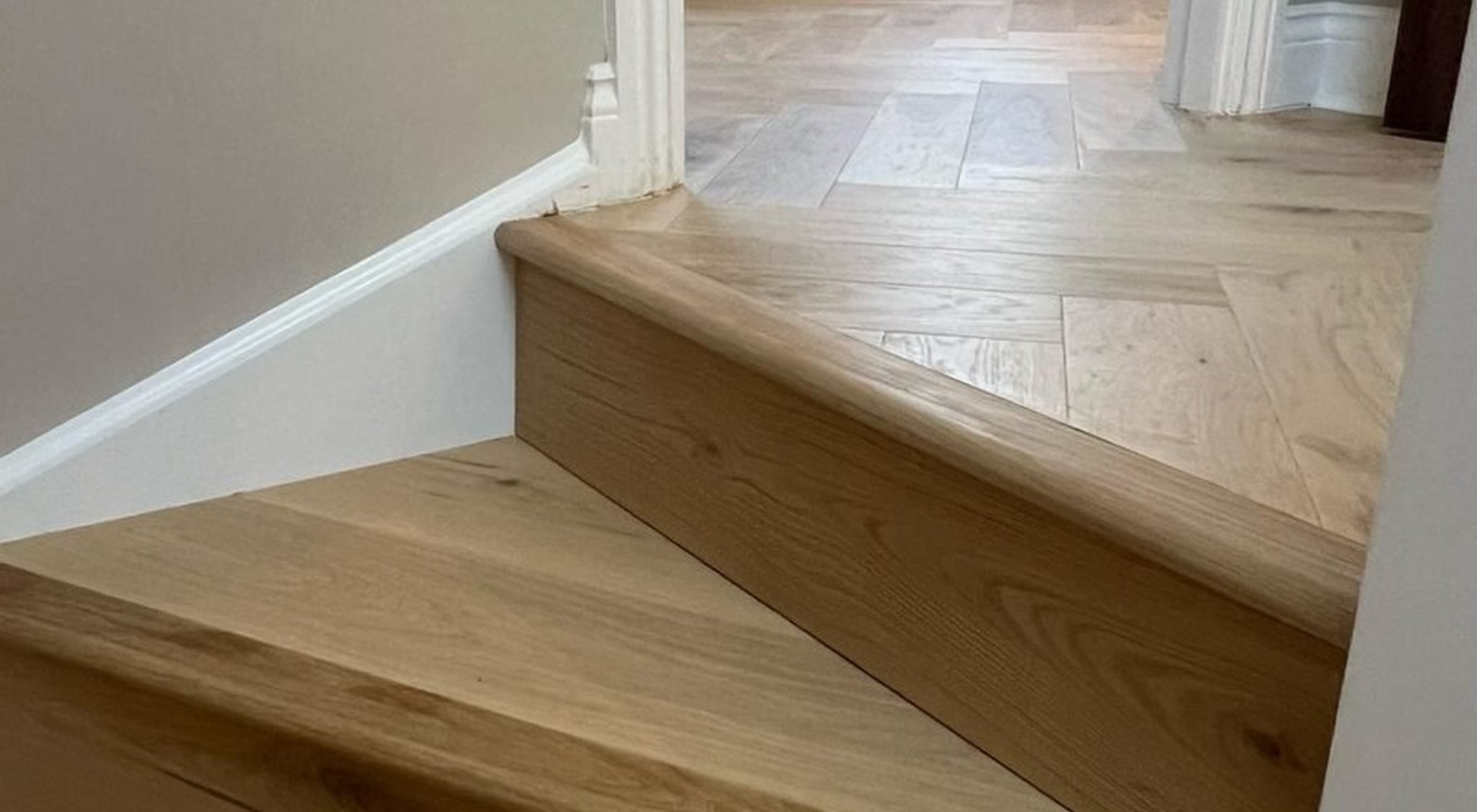
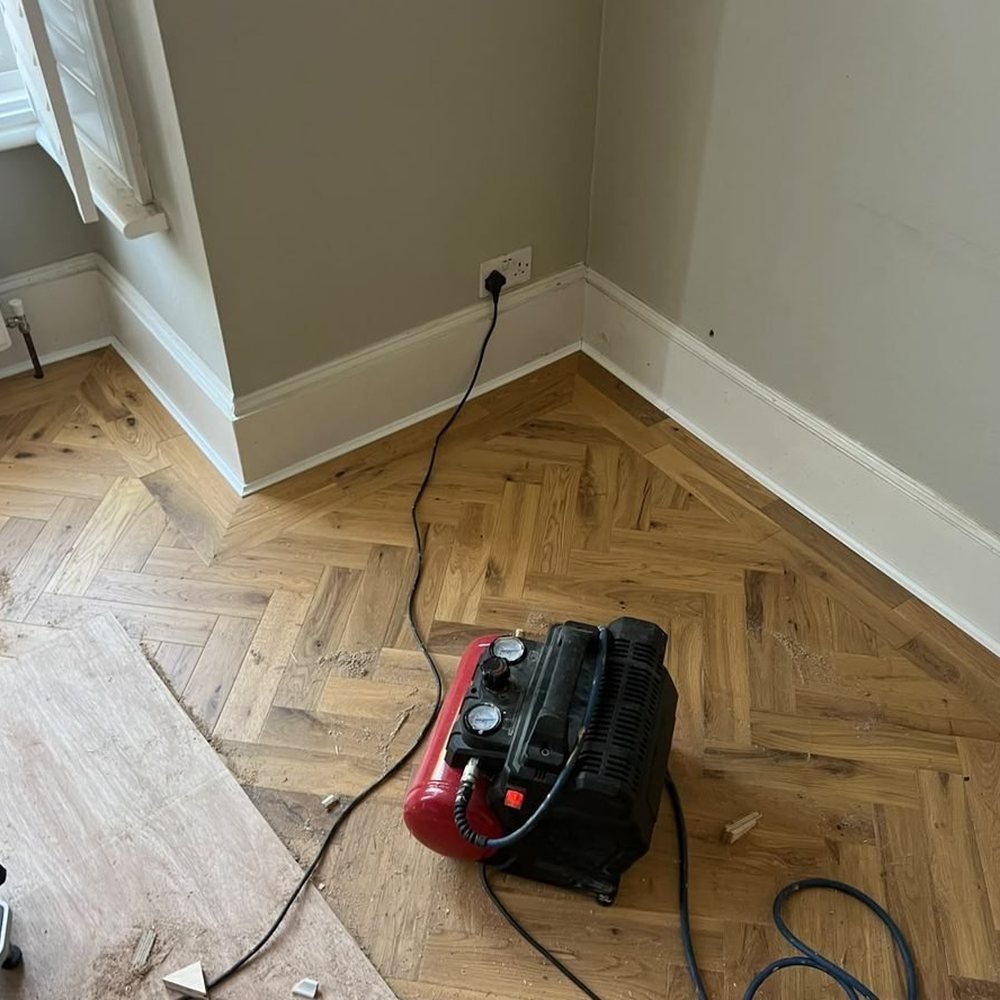
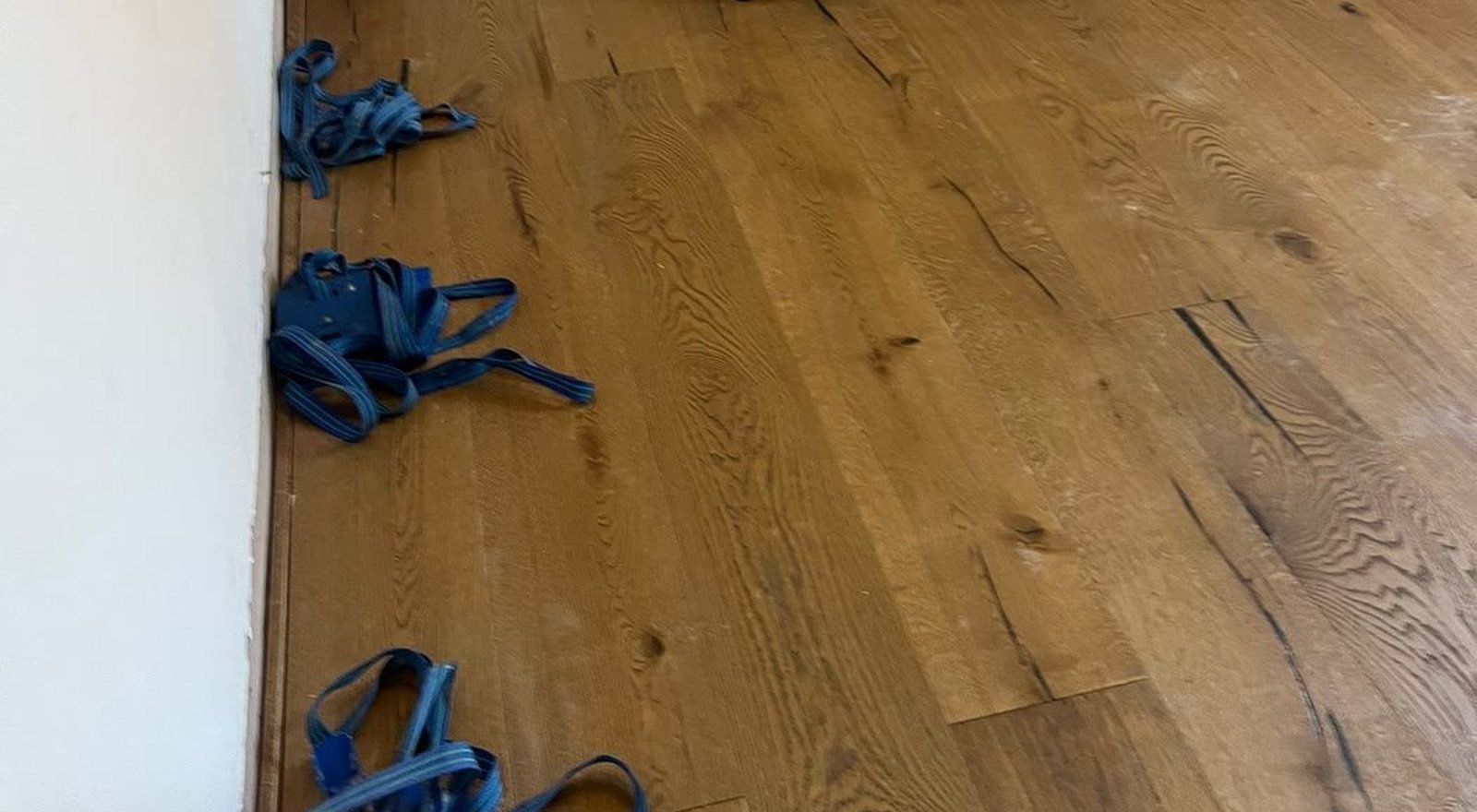
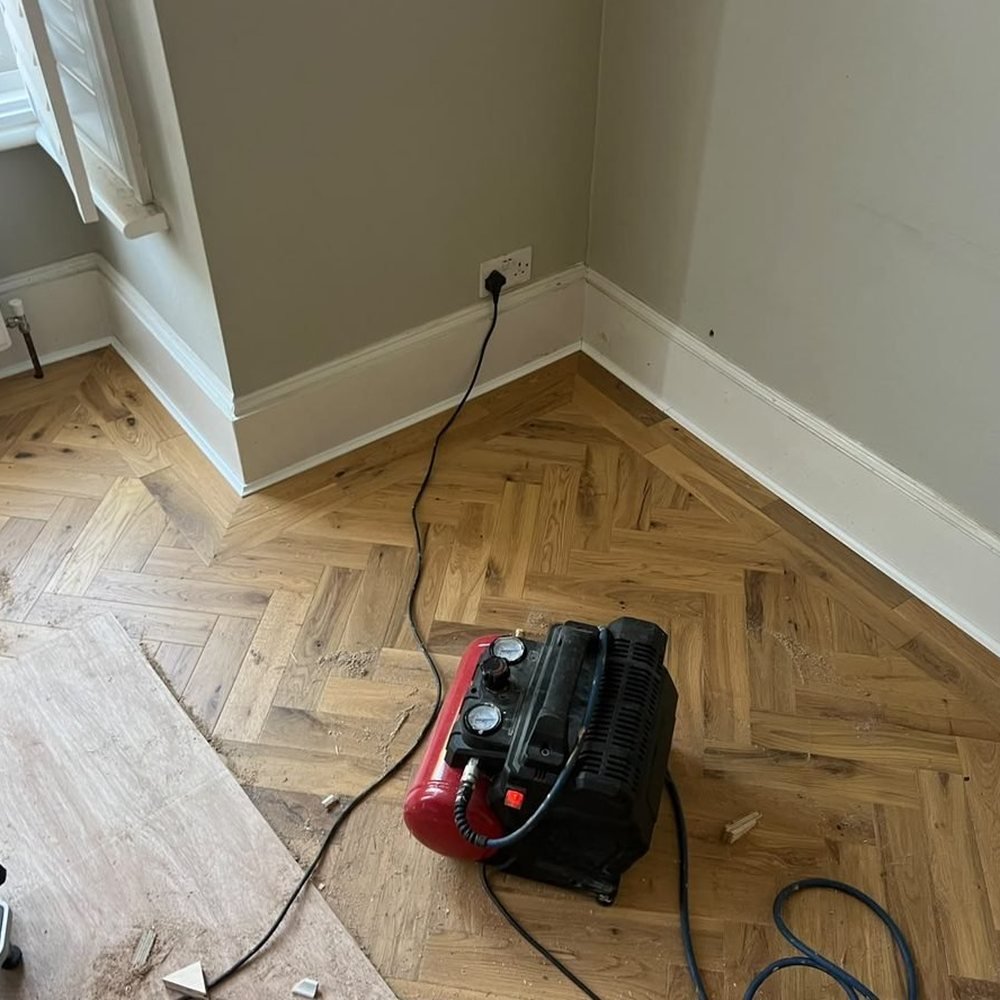
New parquet is fitted onto a properly prepared subfloor so the blocks sit flat and stay put. Restoring an existing floor is a different job: loose blocks re-laid, missing ones replaced with matching timber, and the whole floor then sanded back as one surface.
 | |
 |  |
Finishing a pattern floor
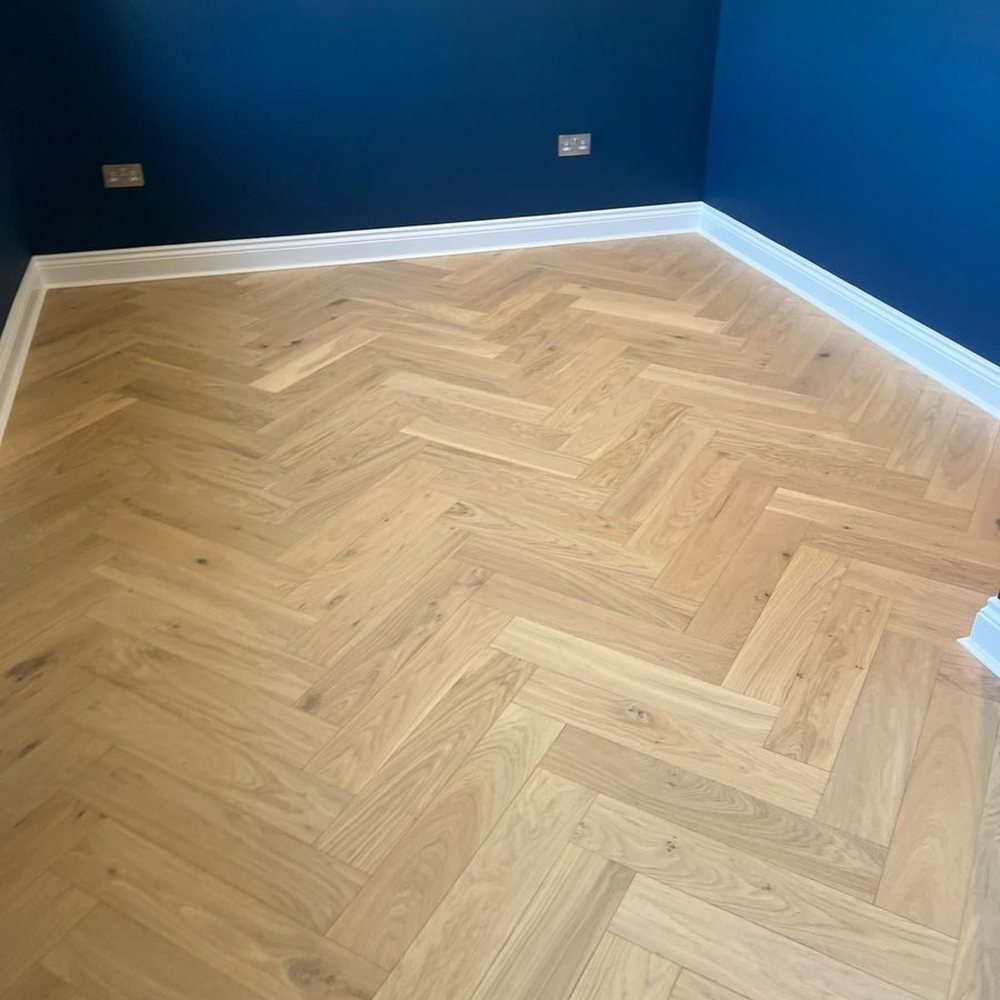
Because the grain runs in two directions at once, parquet has to be sanded in more than one direction and finished carefully, so the pattern reads evenly in the light instead of showing sander marks running across the blocks.
Parquet is the least forgiving floor we work on. Every block has to meet its neighbours exactly, and a small error at the start becomes a very visible one by the time you reach the far wall.
We are one of London's leading herringbone parquet companies, with years of experience fitting and restoring herringbone and finger parquet floors across the capital — in period houses, conversions and commercial spaces.
Setting out comes first
The pattern is decided before a single block goes down. Getting the centre line and the angle right against the room, the doorways and the hearth is what determines whether the finished floor looks deliberate or slightly off — and it is not something that can be corrected later.
| |
Fitting and restoring
New parquet is fitted onto a properly prepared subfloor so the blocks sit flat and stay put. Restoring an existing floor is a different job: loose blocks re-laid, missing ones replaced with matching timber, and the whole floor then sanded back as one surface.
| |
| |
Finishing a pattern floor
Because the grain runs in two directions at once, parquet has to be sanded in more than one direction and finished carefully, so the pattern reads evenly in the light instead of showing sander marks running across the blocks.